
Combustible Gases
Common combustible gases include methane, propane, butane, hydrogen, and acetylene, which can ignite or explode when mixed with air and exposed to a source of ignition.
Here’s a more detailed list:
Common Combustible Gases:
Methane (CH4): Natural gas
Propane (C3H8):
Butane (C4H10):
Hydrogen (H2):
Acetylene (C2H2):
Ethane (C2H6):
Ethylene (C2H4):
Carbon Monoxide (CO):
Hydrogen Sulfide (H2S):
Ammonia (NH3):
Other Gases:
Iso-butane (i-C4H10):
Ethanol (C2H6O):
Methanol (CH3OH):
Propylene (C3H6):
Pentane (C5H12):
Silane (SiH4):
Important Considerations:
Flammability Limits:
The concentration of a combustible gas in air must be within a specific range (Lower Explosive Limit – LEL and Upper Explosive Limit – UEL) for combustion to occur.
Combustion Process:
Combustion requires a fuel (combustible gas), an oxidizer (oxygen), and an ignition source (heat).
Safety:
Combustible gases are dangerous and require careful handling and storage.
Detection:
Gas detectors are used to monitor the concentration of combustible gases in the air and trigger alarms when levels exceed safe limits.
Showing all 28 resultsSorted by popularity
-
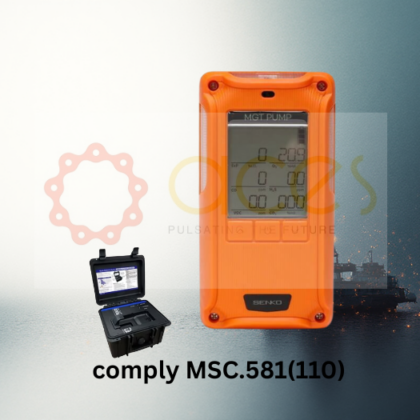
NEW! Schützen SP-MGTP O2/CO/H2S/LEL/CO2/VOC Benzene 6 in 1 Gas Detector Comply IMO MSC.581(110)
-
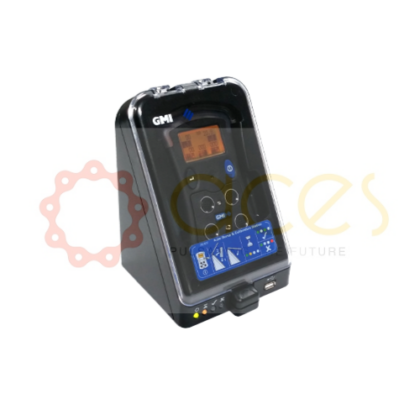
GMI PS500 Auto Bump/Calibration Station
-
NEW! Schützen SP-MGTP 5 in 1 O2/CO/H2S/LEL/CO2 Gas Detector Comply IMO MSC.581(110)
-
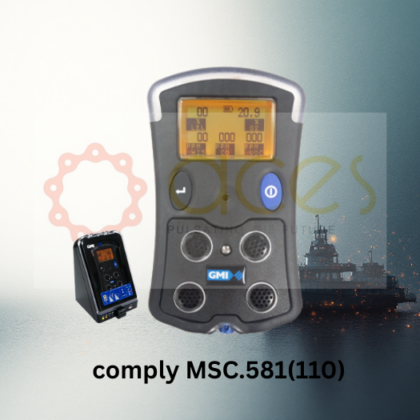
NEW! PS500 5 in 1 Gas Detector added CO2 – MED Approved Comply IMO MSC.581(110)
-
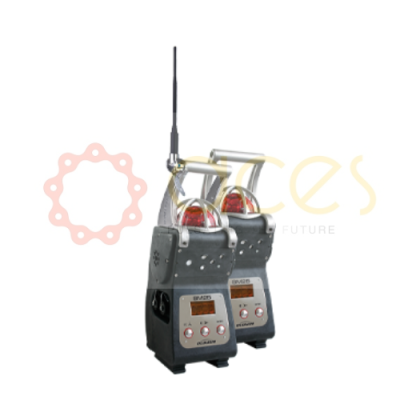
BM25 Transportable Multigas Area Monitors
-
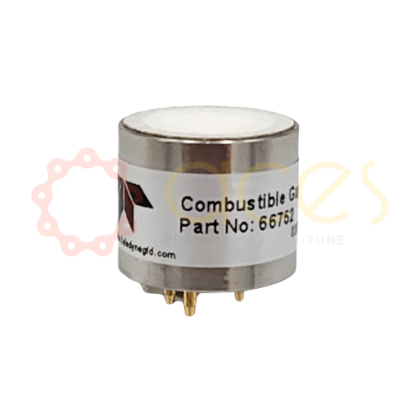
Combustible LEL Sensor for GMI PS200 Gas Detector (Part No: 66752)
-
Sale!

GMI PS200 H2S/CO/LEL/O2 Diffusion (Marine)
Original price was: $849.00.$499.00Current price is: $499.00. -

Shipsurveyor 8 Inert Portable Gas Detector (LEL / VOL / O2 / CO2 / H2S)
$4,950.00 -
Shipsurveyor 7 Inert Portable Gas Detector (O2 / CO2)
$3,650.00 -
Shipsurveyor 6 Inert Portable Gas Detector (LEL / VOL / O2 / H2S / CO)
$4,590.00 -
Shipsurveyor 5 Inert Portable Gas Detector (LEL / VOL / O2 / CO2 / CO)
$4,945.00 -
Shipsurveyor 4 Inert Portable Gas Detector (LEL / VOL / O2 / CO2)
$4,475.00 -
Shipsurveyor 3 Inert Portable Gas Detector (LEL / VOL / O2 / H2S)
$4,120.00 -
Shipsurveyor 2 Inert Portable Gas Detector (LEL / VOL / O2)
$3,650.00 -
Shipsurveyor 1 Inert Portable Gas Detector (LEL / VOL)
$3,415.00 -

Schützen SP-MGTANK Inert Gas Detector Sampling Type H2S/CO/LEL/O2 + Hydrogen Cyanide HCN
-
Schützen SP-MGTANK Inert Gas Detector Sampling Type H2S/CO/LEL/O2 + Hydrogen Fluoride HF
-
Schützen SP-MGTANK Inert Gas Detector Sampling Type H2S/CO/LEL/O2 + Nitrogen Dioxide NO2
-
Schützen SP-MGTANK Inert Gas Detector Sampling Type H2S/CO/LEL/O2 + Hydrogen H2
-
Schützen SP-MGTANK Inert Gas Detector Sampling Type H2S/CO/LEL/O2 + Ammonia NH3
-
Schützen SP-MGTANK Inert Gas Detector Sampling Type H2S/CO/LEL/O2 + Chlorine CL2
-
Schützen SP-MGTANK Inert Gas Detector Sampling Type H2S/CO/LEL/O2 + Sulfur Dioxide SO2
-
Schützen SP-MGTVOC Gas Detector Sampling Type H2S/CO/LEL/O2 + Methanol CH3OH
-
Schützen SP-MGTVOC Gas Detector Sampling Type H2S/CO/LEL/O2 + Benzene C6H6
-
Schützen SP-MGTANK Inert Gas Detector Sampling Type H2S/CO/LEL/O2
-
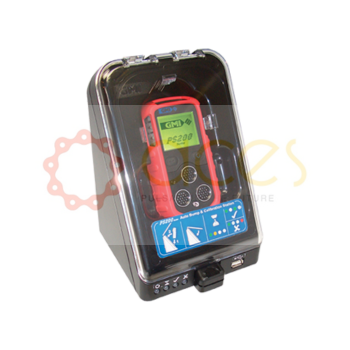
GMI PS200 Auto Bump/Calibration Station
-
Sale!

GMI PS200 H2S/CO/LEL/O2 With Internal Pump (Marine)
Original price was: $1,399.00.$799.00Current price is: $799.00. -
NEW! Schützen SP-MGTP O2/CO/H2S/LEL/CO2/SO2 6 in 1 Gas Detector Comply IMO MSC.581(110)